Social LInks



Co Founder - Lead Interior Designer
We dive into emerging trends such as passive house principles, biophilic design, smart energy systems, and recycled construction materials. You’ll discover how modern architecture prioritizes reduced carbon footprints, healthier indoor environments, and long-term durability without sacrificing aesthetic excellence.
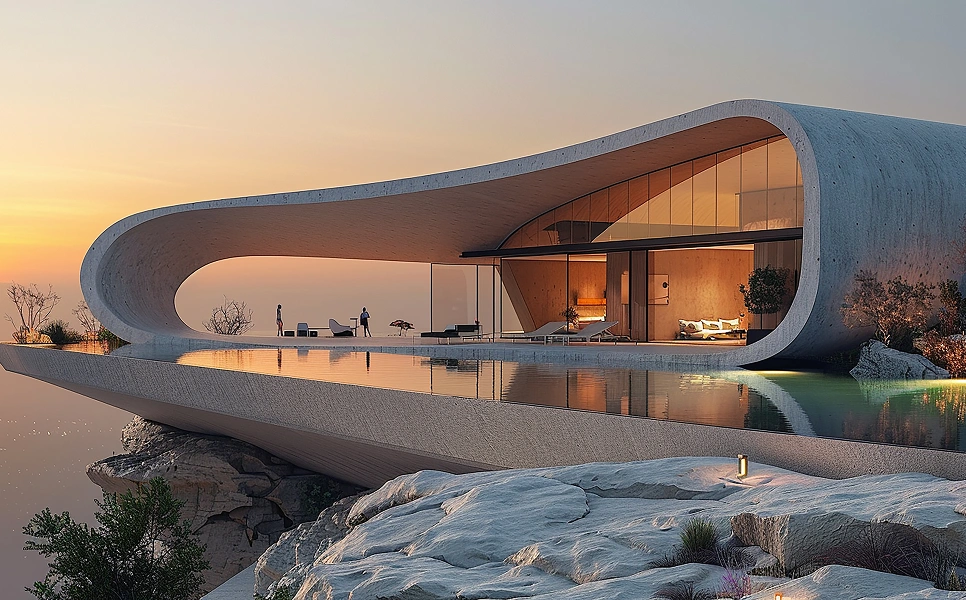
As cities grow and climates shift, architecture must be adaptable. Modular construction, flexible layouts, and resilient building strategies are becoming essential. These designs ensure structures can evolve over time—reducing waste, extending lifespan, and supporting the future needs of communities.
Modern sustainable architecture begins with responsible material choices. Designers are turning to recycled timber, reclaimed metals, low-carbon concrete, and plant-based composites to reduce environmental impact. These materials not only lower emissions but also offer unique textures and character that elevate the final design.
Passive house principles are gaining global attention for their ability to drastically reduce energy consumption. Through airtight construction, insulated walls, triple-glazed windows, and controlled ventilation systems, buildings maintain comfort with minimal energy use. This trend prioritizes efficiency while ensuring long-term savings for homeowners.
Architects are increasingly prioritizing biophilic concepts—design strategies that connect people to nature. Green walls, indoor gardens, natural light pathways, and organic materials create environments that enhance well-being. These spaces offer both aesthetic beauty and measurable health benefits for occupants.
“Due Diligence isn’t Just About Verifying Numbers — It’s About Building Trust, Understanding Vision, and Setting the Foundation for Lasting Partnerships.”
Warren Buffett
Technology plays a crucial role in sustainability. The adoption of solar panels, energy-monitoring apps, automated lighting, and climate-responsive systems is redefining how buildings function. These smart solutions allow structures to operate more efficiently while providing real-time insights into energy usage and optimization.